Why Native Trees Matter: Supporting Butterflies, Bees, and Birds
Why Native Trees Matter: Supporting Butterflies, Bees, and Birds
Have you ever wondered why some yards feel alive, and others feel empty? In a yard full of native trees, something amazing is always happening. A caterpillar munches on an oak leaf. A chickadee zips between branches, hunting for breakfast. A bumblebee dusts itself in pollen from a willow blossom. Nature is busy, colorful, and full of surprises when the right trees are growing.
The secret is that native trees and local wildlife have been partners for thousands of years. They evolved together, and they need each other to survive. Organizations such as Neighborhood Forest are helping families discover this magic themselves by giving kids native trees for free.
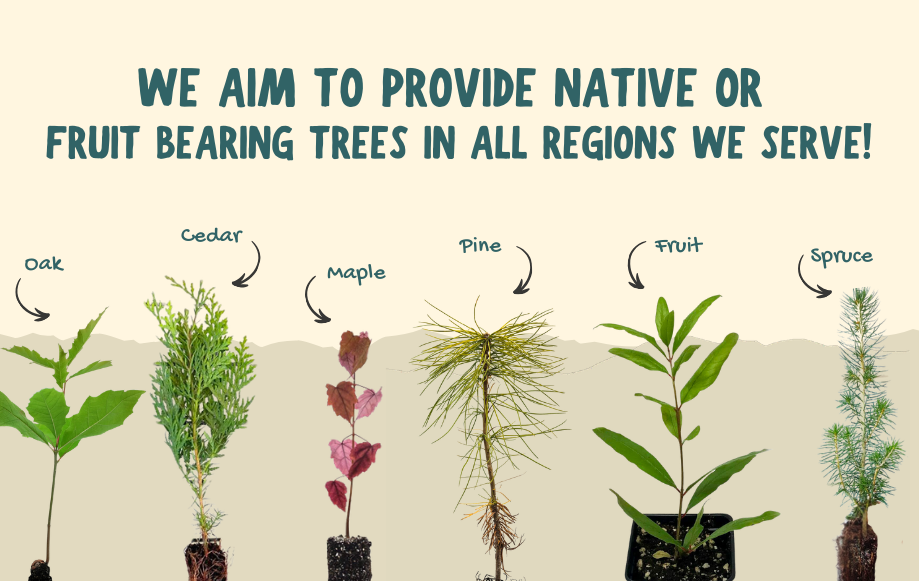
What Makes a Tree Native?
A native tree is one that has grown in a region for thousands—even millions of years. It evolved right alongside the local insects, birds, and soil.
Trees brought in from other countries or regions may look beautiful, but they often fall short for local wildlife. They can cause problems such as:
- Risk of invasiveness: Some introduced trees spread aggressively, crowding out native plants.
- Disrupted soil communities: Some non-native trees may not support the same soil fungi and underground networks as native species, and invasive species can disrupt local ecosystems.
- Water imbalance: Some non-native trees use a lot more (or a lot less) water than local species, which can throw off the natural rhythm of streams, groundwater, and surrounding plants in some regions.
- Lower overall ecosystem support: Compared to native species, non-natives often host far fewer insects, which weakens the entire food web.
So, why are native trees important? They are the foundation of a healthy, living landscape. Choosing the right native species for your area is the first and most important step in bringing nature to your neighborhood.
Native Trees and Butterflies
Native trees are the unsung heroes of butterfly survival. They offer essential food sources for caterpillars, shelter for chrysalises, and nectar-rich flowers for adults. Without the right trees, many butterfly species can’t complete their life cycles.
Some butterflies are picky eaters with very specific tree preferences. These specialized relationships create a delicate balance: when native trees decline, butterfly populations decline as well. Planting and preserving native trees is the key to keeping these winged beauties around.
Here’s an example:
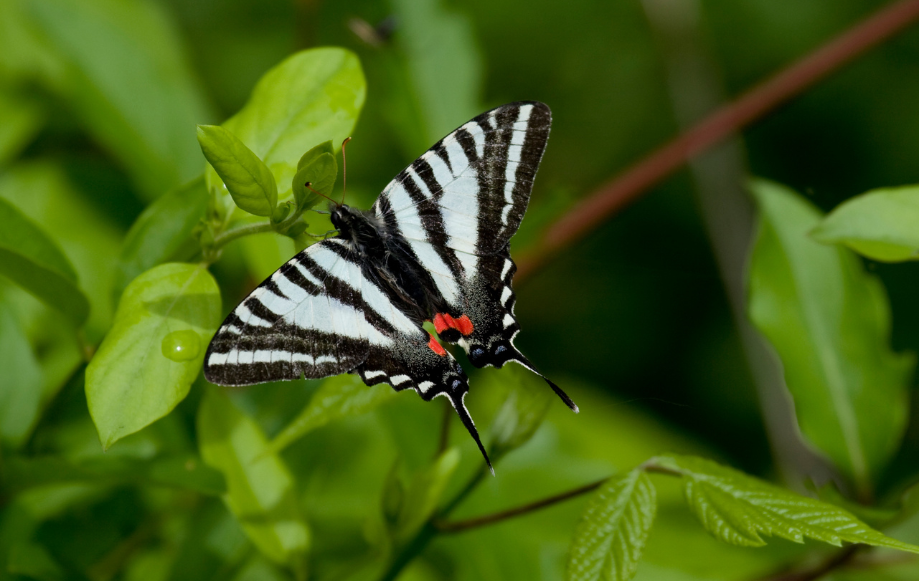
The zebra swallowtail butterfly takes “picky eater” to the extreme. This striking black-and-white insect depends entirely on one tree: the pawpaw. The caterpillars munch exclusively on pawpaw leaves, absorbing toxins that make them taste terrible to predators (imagine eating spicy food to become unappetizing — bold strategy). It’s a partnership millions of years in the making. Without pawpaws, these butterflies simply vanish.
Native Trees and Bees
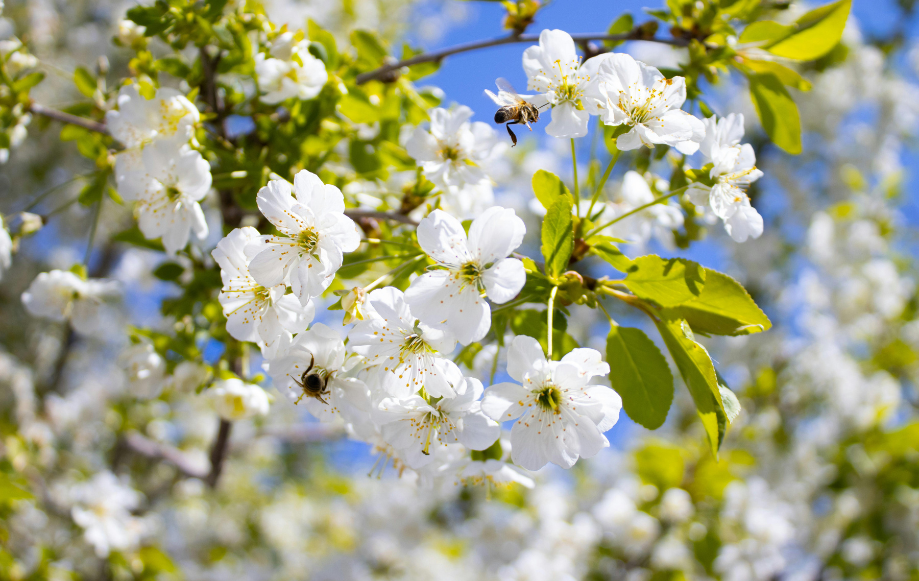
Trees provide shelter for native nesting bee species and carpenter bees, while also providing abundant food. In fact, some mature flowering trees can produce hundreds of thousands (even over a million) blossoms in a single season!
Native trees’ bloom periods are synchronized with local pollinators’ life cycles, meaning they flower exactly when bees need them most. This timing matters especially in early spring, when bees emerge hungry from winter, but most flowers haven’t started blooming yet.
When planning native garden plants, remember that bees and trees need each other year-round. Consider including early bloomers such as:
- Red maple (nectar as early as February)
- Willow (critical early pollen source)
- Black cherry (attracts both bees and birds)
These native trees turn your yard into a pollinator powerhouse, supporting the tiny workers that keep flowers blooming and fruits forming.
Native Trees and Birds
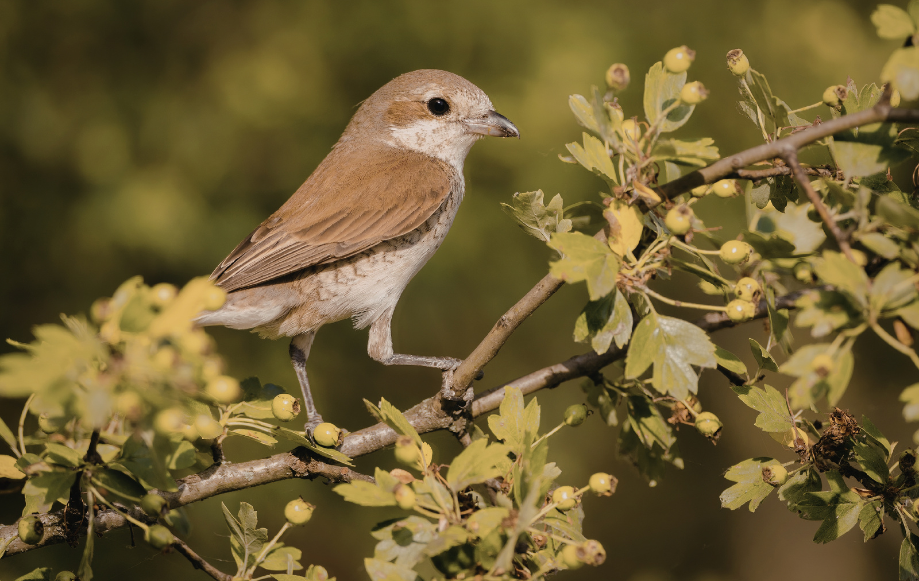
Birds and native trees share a relationship that’s all about food — specifically, caterpillars. Most North American songbirds feed insects to their chicks, and caterpillars are the go-to meal.
Top caterpillar-supporting trees include:
- Oaks (the champions)
- Cherries
- Maples
“Not everyone loves to see caterpillars (though many turn into beautiful butterflies and moths), but each nest of baby songbirds needs 3000-4000 caterpillars to fledge. Hummingbirds also need caterpillars and small insects for protein.” (The True Value of Oaks, Jessica Warren, ANR Agent, Camden County)
Without these native trees hosting caterpillars, parent birds simply can’t find enough protein to raise their young. It’s that straightforward: no native trees, no caterpillars, no songbirds.
What You Can Do: Planting for the Future
When maintaining a yard, many people prioritize aesthetics over wildlife. Lawns are kept perfectly trimmed, and non-native ornamental plants are chosen for their appearance, not for their food or shelter value. The result is a backyard that’s beautiful to us but a tough place for birds, butterflies, and bees to thrive.
The solution starts with planting native trees. Look for pollinator-friendly plants at local native plant nurseries, follow tree-planting instructions specific to your region, and get kids involved in choosing species and watching them grow. Even small changes can turn your yard into a healthy ecosystem. Consider planting a native tree with your family this season!
About Neighborhood Forest
Neighborhood Forest is a nonprofit organization dedicated to giving every child the joy of planting and watching a tree grow. Since 2010, we’ve partnered with schools, libraries, and youth groups to distribute free trees to children across North America every Earth Day. Our mission is to instill a sense of wonder and responsibility toward the environment in young hearts and minds.
Here are some ways you can get involved:
- Sign up your school, library, youth group, or organization to receive free trees.
- Donate to support our mission and help us reach more children.
- Learn more about our story and how we’re inspiring future generations.