Why Native Trees Matter: Supporting Butterflies, Bees, and Birds

Why Native Trees Matter: Supporting Butterflies, Bees, and Birds

Have you ever wondered why some yards feel alive, and others feel empty? In a yard full of native trees, something amazing is always happening. A caterpillar munches on an oak leaf. A chickadee zips between branches, hunting for breakfast. A bumblebee dusts itself in pollen from a willow blossom. Nature is busy, colorful, and full of surprises when the right trees are growing.

The secret is that native trees and local wildlife have been partners for thousands of years. They evolved together, and they need each other to survive. Organizations such as Neighborhood Forest are helping families discover this magic themselves by giving kids native trees for free.
What Makes a Tree Native?

A native tree is one that has grown in a region for thousands—even millions of years. It evolved right alongside the local insects, birds, and soil.

Trees brought in from other countries or regions may look beautiful, but they often fall short for local wildlife. They can cause problems such as:

  • Risk of invasiveness: Some introduced trees spread aggressively, crowding out native plants.
  • Disrupted soil communities: Some non-native trees may not support the same soil fungi and underground networks as native species, and invasive species can disrupt local ecosystems.
  • Water imbalance: Some non-native trees use a lot more (or a lot less) water than local species, which can throw off the natural rhythm of streams, groundwater, and surrounding plants in some regions.
  • Lower overall ecosystem support: Compared to native species, non-natives often host far fewer insects, which weakens the entire food web.

So, why are native trees important? They are the foundation of a healthy, living landscape. Choosing the right native species for your area is the first and most important step in bringing nature to your neighborhood.

Native Trees and Butterflies

Native trees are the unsung heroes of butterfly survival. They offer essential food sources for caterpillars, shelter for chrysalises, and nectar-rich flowers for adults. Without the right trees, many butterfly species can’t complete their life cycles.

Some butterflies are picky eaters with very specific tree preferences. These specialized relationships create a delicate balance: when native trees decline, butterfly populations decline as well. Planting and preserving native trees is the key to keeping these winged beauties around.

Here’s an example:

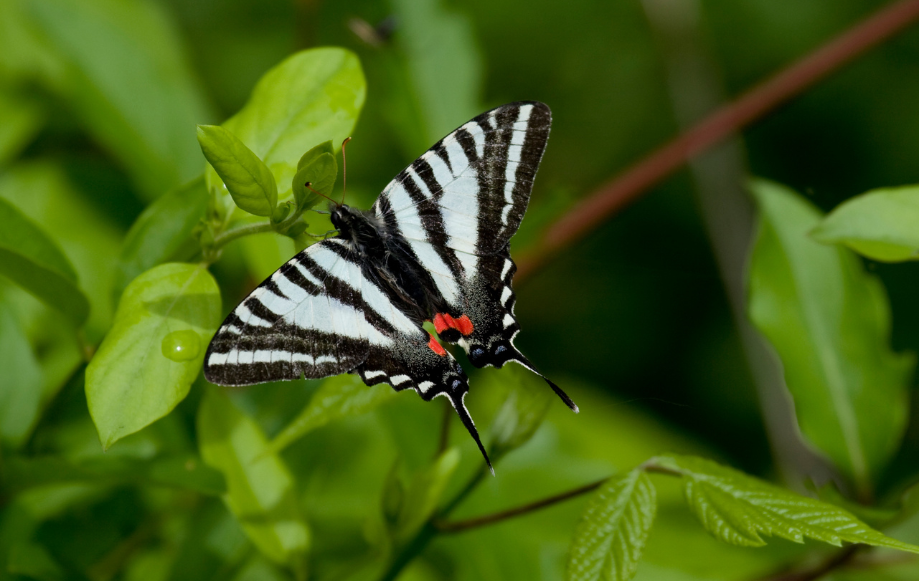
The zebra swallowtail butterfly takes “picky eater” to the extreme. This striking black-and-white insect depends entirely on one tree: the pawpaw. The caterpillars munch exclusively on pawpaw leaves, absorbing toxins that make them taste terrible to predators (imagine eating spicy food to become unappetizing — bold strategy). It’s a partnership millions of years in the making. Without pawpaws, these butterflies simply vanish.
Native Trees and Bees

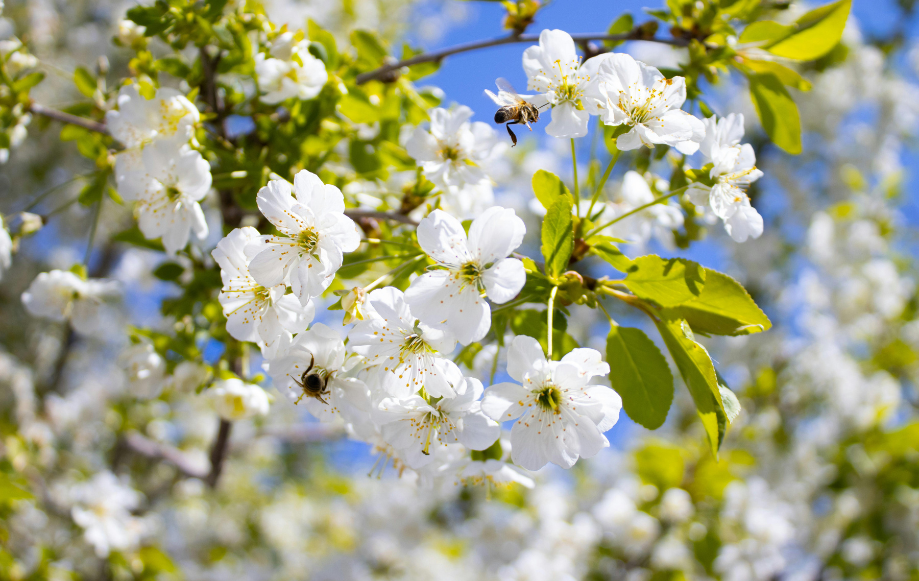
Trees provide shelter for native nesting bee species and carpenter bees, while also providing abundant food. In fact, some mature flowering trees can produce hundreds of thousands (even over a million) blossoms in a single season!

Native trees’ bloom periods are synchronized with local pollinators’ life cycles, meaning they flower exactly when bees need them most. This timing matters especially in early spring, when bees emerge hungry from winter, but most flowers haven’t started blooming yet.

When planning native garden plants, remember that bees and trees need each other year-round. Consider including early bloomers such as:

  • Red maple (nectar as early as February)
  • Willow (critical early pollen source)
  • Black cherry (attracts both bees and birds)

These native trees turn your yard into a pollinator powerhouse, supporting the tiny workers that keep flowers blooming and fruits forming.
Native Trees and Birds

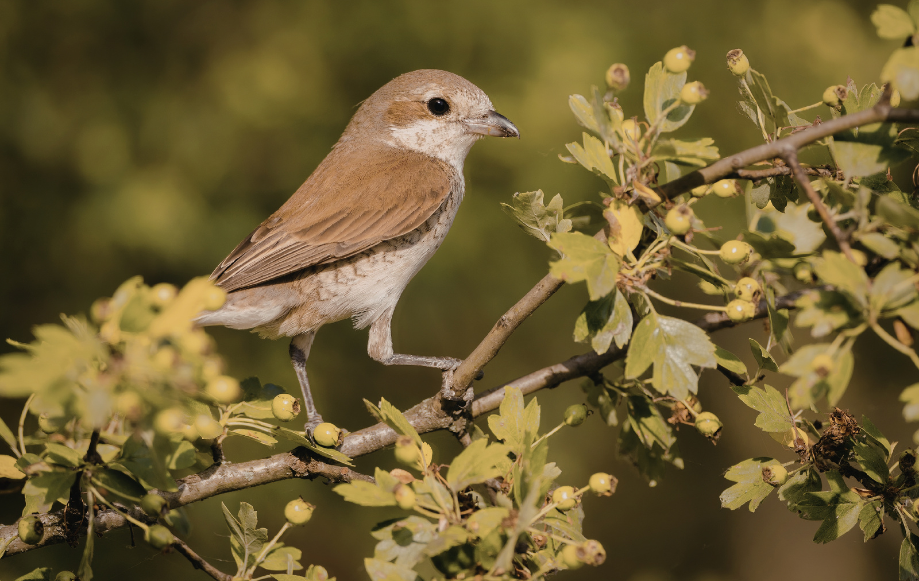
Birds and native trees share a relationship that’s all about food — specifically, caterpillars. Most North American songbirds feed insects to their chicks, and caterpillars are the go-to meal.

Top caterpillar-supporting trees include:

  • Oaks (the champions)
  • Cherries
  • Maples

“Not everyone loves to see caterpillars (though many turn into beautiful butterflies and moths), but each nest of baby songbirds needs 3000-4000 caterpillars to fledge. Hummingbirds also need caterpillars and small insects for protein.” (The True Value of Oaks, Jessica Warren, ANR Agent, Camden County)

Without these native trees hosting caterpillars, parent birds simply can’t find enough protein to raise their young. It’s that straightforward: no native trees, no caterpillars, no songbirds.
What You Can Do: Planting for the Future

When maintaining a yard, many people prioritize aesthetics over wildlife. Lawns are kept perfectly trimmed, and non-native ornamental plants are chosen for their appearance, not for their food or shelter value. The result is a backyard that’s beautiful to us but a tough place for birds, butterflies, and bees to thrive.

The solution starts with planting native trees. Look for pollinator-friendly plants at local native plant nurseries, follow tree-planting instructions specific to your region, and get kids involved in choosing species and watching them grow. Even small changes can turn your yard into a healthy ecosystem. Consider planting a native tree with your family this season!

About Neighborhood Forest

Neighborhood Forest is a nonprofit organization dedicated to giving every child the joy of planting and watching a tree grow. Since 2010, we’ve partnered with schools, libraries, and youth groups to distribute free trees to children across North America every Earth Day. Our mission is to instill a sense of wonder and responsibility toward the environment in young hearts and minds.

Here are some ways you can get involved:


The Mental Health Benefits of Trees: Why Nature Makes Us Happier


The Mental Health Benefits of Trees: Why Nature Makes Us Happier

Have you ever noticed how good you feel after spending time outside? Maybe you’ve climbed your favorite tree in the backyard, or walked through a park filled with tall oaks and maples. That wonderful feeling isn’t just in your imagination! Scientists have discovered that trees actually change what’s happening inside your brain, helping you feel calmer, happier, and more focused.

The link between nature and mental health is so powerful that doctors and teachers are paying attention. Neighborhood Forest gives free trees to kids across North America because we understand something important: when you plant a tree and watch it grow, you’re not only helping the planet. You’re also giving yourself a gift that keeps making you feel better, year after year.

Trees Help You Relax

Your body has a built-in alarm system called your nervous system. When you’re worried about a test or upset about something, this system fires up and makes your heart beat faster. Trees have an incredible power to calm all that down.

When you hang out with trees, your body produces less of the stress hormone cortisol. Think of cortisol like a worry chemical floating around inside you. Natural stress relief happens when you breathe in fresh air under leafy branches, listen to the wind, or simply rest in a green space. Your breathing slows down, your shoulders relax, and that tight feeling in your chest starts to fade away.

In Japan, this practice is called Shinrin-yoku, often translated as “forest bathing,” which means soaking up the forest atmosphere (no actual bathing required). You don’t need a huge forest, though. Even a single tree in your yard or a small collection of plants can help your nervous system find its calm again.

Trees Make Learning Easier

Have you ever struggled to concentrate on homework, but then found it easier to think after going on a walk or playing outside? Your brain needs breaks from screens and indoor spaces to work at its best.

Research shows that kids who spend regular time outdoors perform better in school. In addition to helping you calm down, nature therapy can also sharpen your ability to pay attention and solve problems. Here’s what happens when you add more green time to your day:

  • Your attention span gets longer and stronger
  • You remember information more easily
  • Creative ideas flow more freely
  • Problem-solving becomes less frustrating
  • Your mind feels clearer and more energized

Neighborhood Forest provides a variety of trees species every Earth Day for children grow their own forest right in their backyard! 

Trees Lift Your Mood

Trees have a way of cheering you up. They spark your brain to release serotonin and dopamine, making your mood feel a bit brighter. Outdoor play can be a powerful way to soak up that natural boost.

The benefits of nature exposure show up quickly. After just 20 minutes in an outdoor space, even without exercise, people report clear improvements in well-being, feeling happier and more relaxed. Colors seem brighter, problems seem smaller, and life feels more hopeful.

Planting and caring for a tree gives you purpose. Watching your tree grow taller each season fills you with pride. These positive feelings build up over time, creating a foundation of lasting happiness.

Trees Make Places Feel Like Home

Trees help us feel like we belong somewhere. When you have a special tree you’ve climbed, read under, or planted yourself, that place becomes part of who you are.

Tree therapy works because it connects you to something beyond yourself. Here are simple ways to weave trees deeper into your daily life:

  • Pick one tree to visit regularly and watch it change through the seasons (bonus points if you give it a name!)
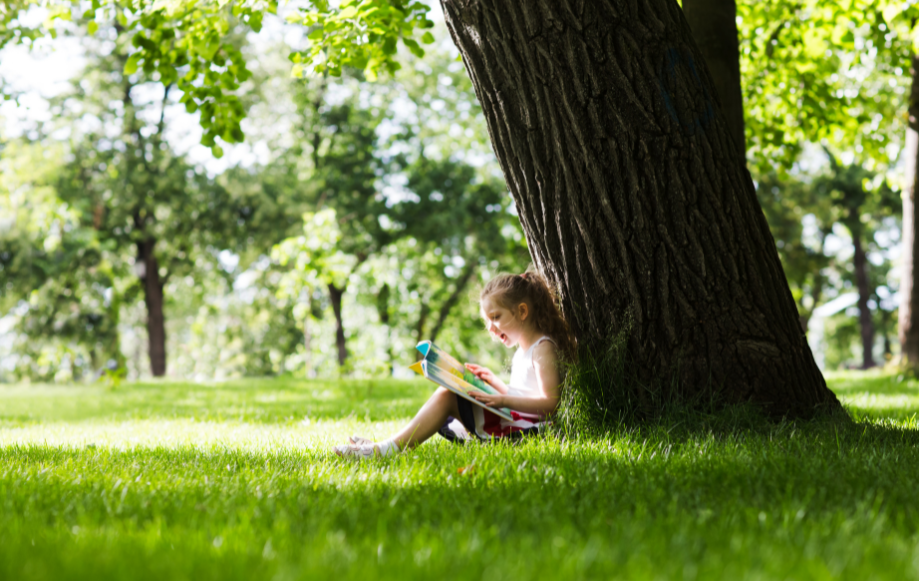
  • Create a tradition of picnicking or reading under the same tree with your family
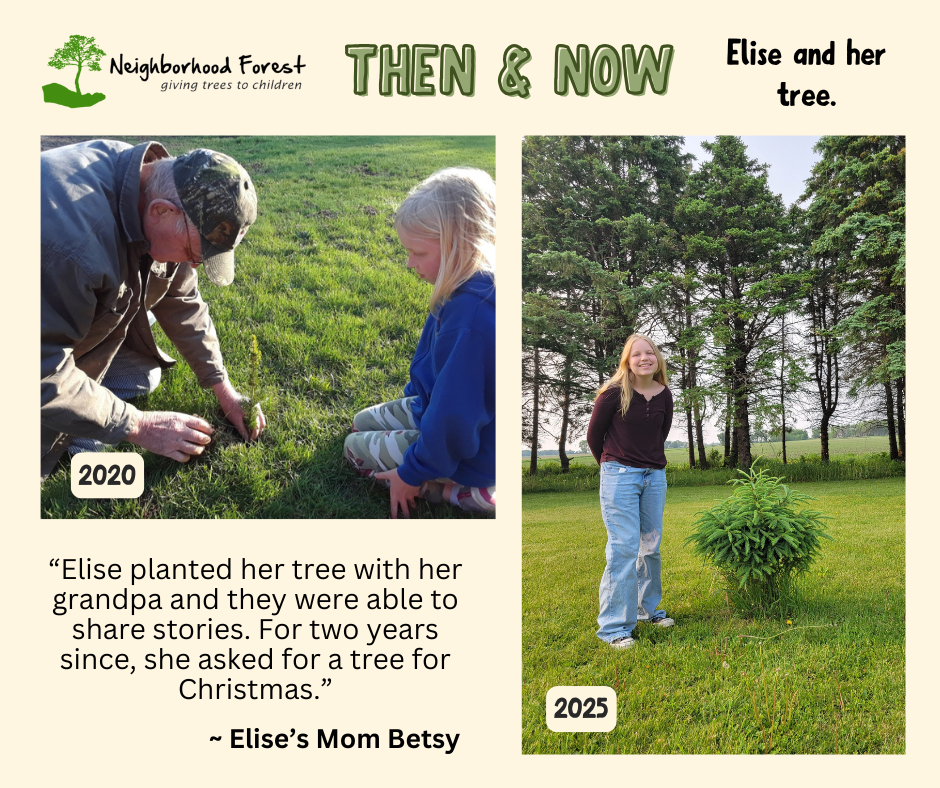
  • Take photos next to your tree each birthday to see how you both grow
  • Read nature stories together as a family or curl up with them on your own
  • Start a journal about what you notice during your tree visits
  • Plant something and nurture it to build a caring relationship with nature

These small rituals transform ordinary trees into landmarks of your life. They become the keepers of your memories and part of your personal story.

How to Be a Tree-Friend Every Day

You don’t need a big yard or to live near a forest to bring more trees into your life. Start simple. Try nature-based activities, such as collecting leaves or drawing bark textures. If you don’t have outdoor space, grow an indoor plant and care for it each day.

The most important thing is consistency. Even five minutes with a tree and in nature counts. Touch its bark, sit under its branches, or simply look up through its leaves at the sky. Your brain will thank you for it, and over time, you’ll build a friendship with nature that makes every single day a little bit brighter!

About Neighborhood Forest

Neighborhood Forest is a nonprofit organization dedicated to giving every child the joy of planting and watching a tree grow. Since 2010, we’ve partnered with schools, libraries, and youth groups to distribute free trees to children across North America every Earth Day. Our mission is to instill a sense of wonder and responsibility toward the environment in young hearts and minds.

Here are some ways you can get involved:

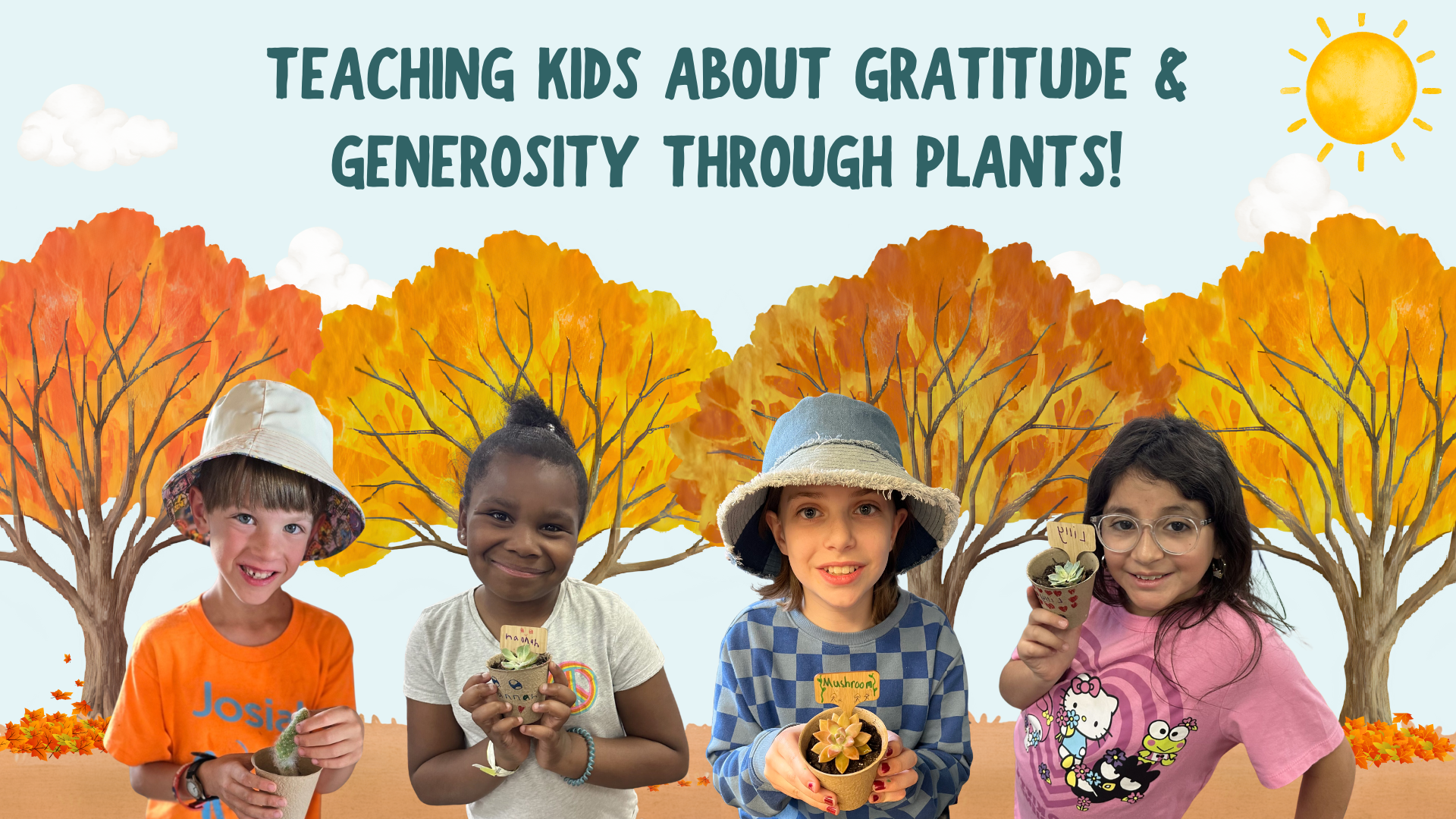
Teaching Kids About Gratitude & Generosity Through Plants!

November 17, 2025

The Spirit of Thanksgiving

Thanksgiving has always been about gathering with loved ones and giving thanks — not only in words, but through action. The holiday celebrates abundance, not just in what we receive, but in what we share. More and more families are seeking creative ways to honor this spirit, whether through volunteering, exchanging homemade gifts, or finding small ways to reconnect with nature.

One simple yet powerful way to embody the spirit of the holiday is by giving kids the gift of indoor plants. Giving plants to children is a beautiful, hands-on way to nurture gratitude and generosity this Thanksgiving.

At Neighborhood Forest, we love teaching kids how generosity flows in a cycle:

We give a free plant → children give their plant their time, love and care → and the plants give back through beauty, oxygen, and joy.

Plants are living reminders of the blessings we enjoy and the responsibility we carry to give back — to each other and to the Earth. As children nurture their plants, they experience firsthand how abundance grows when it’s shared. Gratitude becomes more than a feeling; it becomes a practice that takes root and flourishes over time.

Our Indoor Plant Program

At Neighborhood Forest, we believe gratitude can be cultivated when it’s nurtured through a connection with nature. We want to give every child the joy of planting and watching trees grow. Not all children have access to a yard or space to plant a tree. That’s why we launched our Indoor Plant Program, designed to give children the joy of taking care of a little piece of nature inside their home.

This November, just before Thanksgiving, we will host our 2nd Annual Fall Indoor Plant Giveaway at more than 100 schools, libraries, and youth groups across the country. We will reach over 10,000 children this year — five times more than last year’s 2,000 participants. Each child will receive an indoor succulent plant that is simple to care for, durable, and fun to grow.

The program goes beyond gifting plants:

    • Hands-On Gratitude: Children learn that growing and caring for a plant is an act of patience, responsibility, and appreciation.
    • Accessible Growing: Even families without outdoor space can participate in the joy of nurturing life by growing plants indoors.
    • Meaningful Thanksgiving Gift Ideas: Plants serve as lasting reminders of abundance, generosity, and the spirit of giving thanks.

Our program give kids a sense of connection to a greater story — one where caring for plants leads to caring for each other and the environment. 

Why Succulents Make Wonderful Gifts

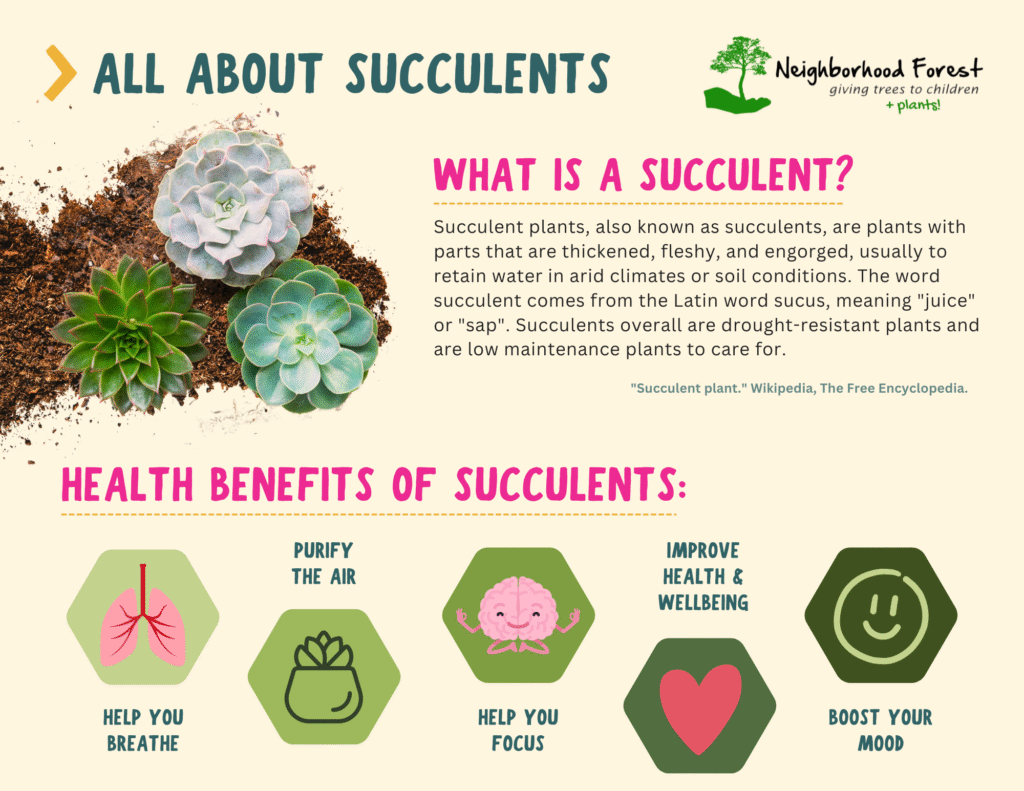
Succulents are small but mighty — perfectly embodying the spirit of abundance and Thanksgiving. They offer incredible benefits:

  1. They help you breathe better! During photosynthesis, plants produce oxygen, but most respire at night, releasing carbon dioxide. Succulents, however, continue to produce oxygen at night, making them great for bedrooms to boost oxygen while you sleep!
  2. They clean the air! Succulents take in yucky stuff (volatile organic compounds) from the air and turn it into food, making your room air fresh and clean!
  3. They help you focus & remember better:Having succulents around can help you concentrate and improve your memory! A University of Michigan study found that memory retention improved as much as 20% when plants were present.
  4. They make you feel better: Succulents can help you feel less stressed, happier, and even help with headaches and coughs. Research shows that people who have plants in their room feel less tired and use less medicine to feel better.
  5. They boost your mood!: Succulents can help you relax and feel more calm. Taking care of your succulents can bring you joy and make you feel proud!

Plants and trees offer many additional benefits, making them lasting gifts that keep giving well beyond Thanksgiving.

Teaching kids about Gratitude and Generosity Through Growing Plants

By gifting children plants, families encourage them to see gratitude as an active practice. Caring for plants helps kids develop:

    • Patience: Plants grow slowly, teaching children to appreciate gradual progress.
    • Mindfulness: Caring for plants fosters calm focus and encourages kids to slow down and observe.
    • Responsibility: Regular watering and care routines give kids a sense of ownership and accountability.
    • Creativity: Decorating their pot and bamboo label and giving their succulent a name inspire artistic expression and creativity through growing plants.
    • Connection: Kids learn that living things thrive when nurtured, reinforcing gratitude for relationships in their own lives.

As children grow plants indoors, they also develop an appreciation for nature and its role in sustaining us. Programs such as the mini food forest initiative take this lesson further by showing kids how small-scale planting can support communities.

FAQs

    • What is a succulent? A succulent is a plant that stores water in its fleshy leaves, stems, and/or roots, allowing it to survive in arid environments where water is scarce. They are known for being drought-tolerant and are often low-maintenance, thriving on neglect and requiring well-draining soil.
    • Are Succulents toxic to pets? Some succulents are toxic to pets so it’s best to keep them out of reach.
    • What kind of succulents do you give to children? We partner with family-run nurseries that grow hundreds of varieties. Using the Google app, you can snap a photo to identify your plant. Common varieties include Echeveria, Christmas Cactus, and Crown of Thorns.
    • How much water should I give it? In general, succulents are very drought tolerant. We recommend watering when the soil is dry, or about 1-2 times a week. Be sure to water the soil itself, not the leafy part of the succulents.

About Neighborhood Forest

Neighborhood Forest is a nonprofit organization dedicated to giving every child the joy of planting and watching a tree grow. Since 2010, we’ve partnered with schools, libraries, and youth groups to distribute free trees to children across North America every Earth Day. Our mission is to instill a sense of wonder and responsibility toward the environment in young hearts and minds.

Here are some ways you can get involved:

2024 Annual Impact Report

We are so thrilled to share our impact, progress, and appreciation with you in our 2024 Annual Impact Report!


2023 Annual Impact Report

We are so thrilled to share our impact, progress, and appreciation with you in our 2023 Annual Impact Report!

Neighborhood Forest Recognized as Top Tree Planting Charity

nhfNeighborhood Forest has been recognized as a top tree-planting charity by Impactful Ninja – a leading influencer and content creator centered around sustainable living and climate action.

Neighborhood Forest has been recognized as a distinguished tree-planting charity as well as a leader in environmental education.

We are honored and touched to be named alongside many other great organizations doing important work in the world, including Living Lands and Waters, The Jane Goodall Institute, and The International Tree Foundation.

We know and believe that this recognition will continue to help us reach more children as we spread joy, beauty, and goodness through tree planting and youth engagement.

Thank you, Impactful Ninja!!

2023 Tree Species Details

Please use our Downloadable Species Guide to view the Earth Day 2023 Tree Species!

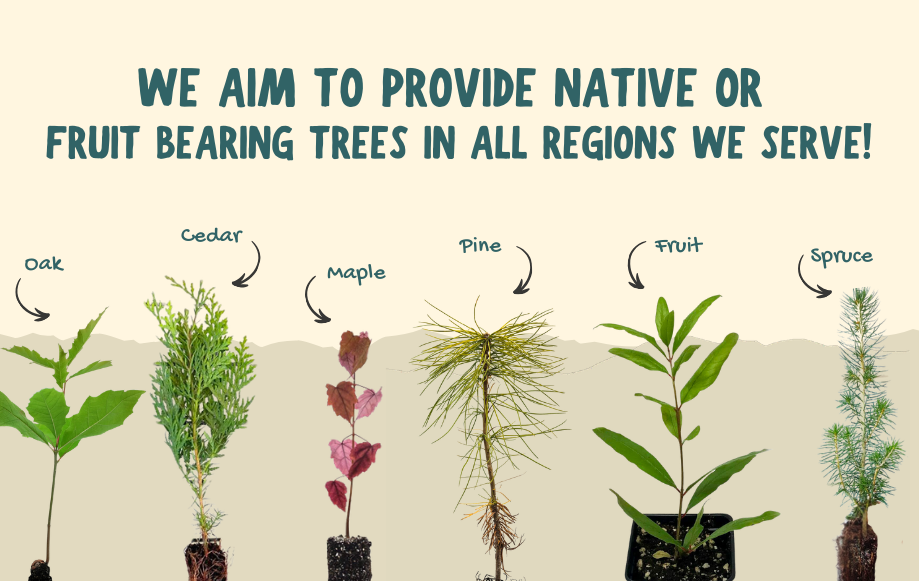
We aim to provide native trees in all of the areas we serve and a diversity of trees each year.

Click here to learn more about why Native Trees are so important!